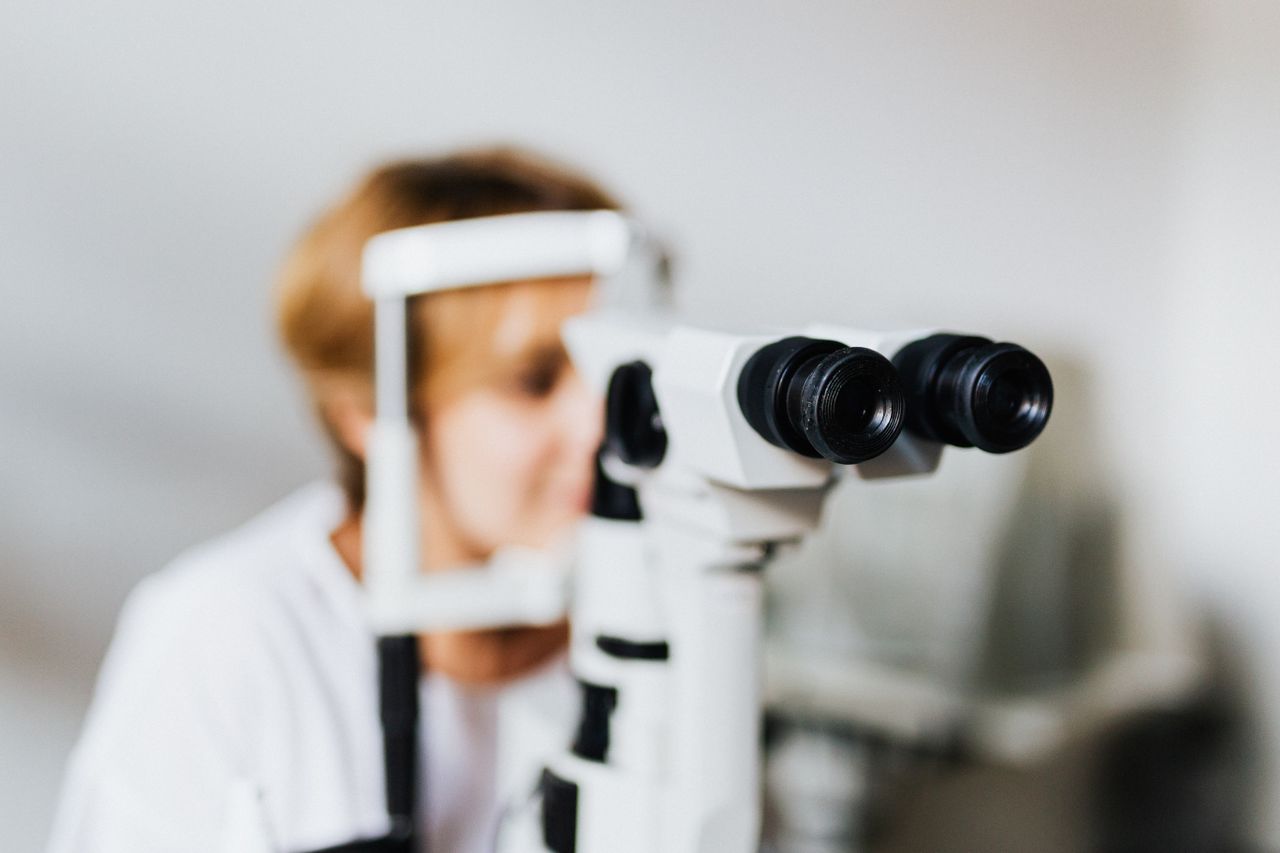
Why Regular Eye Examinations Are Important Even If You See Clearly
Seeing clearly does not always mean that your eyes are completely healthy. Some eye conditions develop gradually and may not cause noticeable changes in vision during their early stages. Regular eye examinations can help identify problems before they begin affecting everyday activities such as reading, driving, studying, or working.
An eye examination is more than a simple check to determine whether you need glasses. Depending on your age, medical history, symptoms, and risk factors, an eye-care professional may assess different aspects of your visual system and look for signs of conditions that may require further investigation or treatment. This makes routine eye care valuable even when your eyesight appears normal.
For people considering future vision correction, regular assessments can also provide useful information about overall eye health. Someone researching options such as Lasek Pretoria, for example, may first need a comprehensive examination to determine whether a particular procedure is appropriate. However, laser vision correction is only one reason to maintain regular eye-care appointments.
Clear Vision Does Not Always Mean Healthy Eyes
Many people associate good eyesight with healthy eyes. While clear vision is certainly important, it represents only one part of ocular health.
Certain eye conditions can progress without producing obvious symptoms at first. A person may continue reading, using a computer, driving, or performing other daily activities normally while changes are developing inside the eye.
This is one reason routine examinations are important. An eye-care professional can assess structures and functions that cannot be evaluated simply by asking whether you can see clearly.
Early detection can also make a difference in how an eye condition is managed. Some problems may be monitored over time, while others may require treatment, referral, or additional testing.
What Happens During a Routine Eye Examination?
The exact examination varies depending on the individual and the practice, but a comprehensive assessment may involve several different checks.
Visual acuity testing measures how clearly you can see at particular distances. Other assessments may evaluate how your eyes work together, focusing ability, eye movements, and the need for corrective lenses.
The health of the eyes may also be examined. Depending on your circumstances, your practitioner may assess the front and back portions of the eye and look for abnormalities that warrant further attention.
Your age, family history, medications, previous eye problems, and general health can all influence which assessments are appropriate. For this reason, an eye examination should be considered an individual health assessment rather than simply a test for glasses.
Eye Conditions Can Develop Without Obvious Symptoms
One of the strongest reasons for routine examinations is that some eye problems may not cause noticeable symptoms in their early stages.
A person may assume that there is no reason to have an examination because their vision has remained stable for years. However, stable vision does not necessarily rule out every form of eye disease or structural change.
Some conditions become more likely with increasing age, while others may be associated with family history or certain health conditions. Regular professional assessments can help identify changes that might otherwise go unnoticed.
This does not mean that every examination will uncover a problem. In many cases, the result is reassurance that the eyes are currently healthy. That information can itself be valuable.
Early Detection Can Support Better Eye Care
When an eye condition is identified early, an eye-care professional has an opportunity to assess its significance and determine the most appropriate next step.
Depending on the finding, this could involve routine monitoring, prescription changes, additional diagnostic testing, lifestyle advice, treatment, or referral to an ophthalmologist or another appropriate specialist.
Regular examinations can also establish a useful record over time. Comparing current findings with previous assessments may help professionals recognise changes that are difficult to notice from a single examination.
This is particularly relevant when someone has known risk factors. A person with a family history of certain eye conditions, for example, may benefit from a monitoring schedule recommended specifically for their circumstances.
How Often Should You Have Your Eyes Examined?
There is no single examination schedule that is appropriate for everyone. Recommended frequency depends on factors such as age, symptoms, family history, existing eye conditions, general health, and whether you wear corrective lenses.
Some people may require more frequent monitoring because they have an existing condition or increased risk. Others may be advised to attend routine examinations at longer intervals.
Rather than relying solely on whether your eyesight seems unchanged, discuss an appropriate schedule with a qualified eye-care professional.
You should also seek professional advice sooner if you experience a significant or sudden change in your vision or develop new eye symptoms. Urgent symptoms should not be postponed until your next routine appointment.
Why Eye Tests Matter for Children and Young Adults
Regular eye care is not only relevant to older adults.
Children and young people may experience vision problems that affect learning, concentration, coordination, reading, or classroom participation. Because children may not always recognise or communicate that their vision is impaired, routine assessments can be particularly useful.
For young adults, changing visual demands can also affect eye comfort and performance. Extended periods of screen use, studying, close work, and other visually demanding activities may make regular professional assessment worthwhile.
An examination can help determine whether symptoms are related to refractive error, focusing difficulties, binocular vision, dry eye, or another issue requiring attention.
When Should You Consider a Comprehensive Eye Examination?
A routine appointment is useful even when your eyesight appears normal, but certain situations make professional assessment especially important.
Consider arranging an examination if you notice:
- A change in visual clarity or focusing
- New or persistent eye discomfort
- Frequent headaches associated with visual tasks
- Increasing difficulty reading or seeing at particular distances
- Changes in how your eyes respond to light
- A noticeable difference between the two eyes
- New visual disturbances or symptoms that concern you
These symptoms can have different causes, and an examination is needed to determine what may be contributing to them. Avoid assuming that a symptom is simply caused by tiredness or prolonged screen use, particularly if it is persistent, worsening, or sudden.
Eye Examinations and Vision Correction
Routine eye examinations can also be important when considering vision correction.
People who are interested in reducing their dependence on glasses or contact lenses may investigate procedures such as laser eye surgery. However, being interested in a procedure does not automatically mean someone is a suitable candidate.
A comprehensive assessment can help determine factors such as the current prescription, corneal characteristics, eye health, and other considerations relevant to treatment suitability. A specialist can then explain the available options, potential benefits, limitations, risks, and alternatives.
For someone researching Lasek in Pretoria, for instance, an assessment should be viewed as an important part of the decision-making process rather than simply a preliminary formality.
No vision-correction procedure is appropriate for everyone. Suitability depends on individual circumstances, and the final decision should be made with a suitably qualified eye-care professional after appropriate evaluation.
Healthy Habits Can Complement Regular Eye Care
Eye examinations are only one part of maintaining good eye health.
Protecting your eyes from avoidable hazards, managing general health conditions appropriately, using suitable lighting, and taking sensible breaks during prolonged close-up work can all contribute to comfortable visual function.
It is also important to follow professional advice if you have been diagnosed with an eye condition. Prescribed treatment or monitoring should not be stopped simply because your vision feels normal.
There is no substitute for professional assessment when an eye problem is suspected.
Making Eye Health Part of Your Routine
It can be easy to postpone an eye examination when there is no obvious problem. Unlike a painful injury or sudden illness, gradual changes may not demand immediate attention. Yet that is precisely why routine assessment matters.
Regular examinations provide an opportunity to check vision, assess eye health, identify potential concerns, and establish a baseline for future comparison. They can also help ensure that glasses or contact lens prescriptions remain appropriate when correction is required.
Most importantly, an examination should not be viewed only as something you need when your eyesight becomes blurry. Eye health and visual clarity are related, but they are not identical.
Maintaining regular professional eye care gives you a practical way to stay informed about the condition of your eyes. Even when you feel that your vision is perfectly clear, an appropriate examination can provide reassurance and help identify changes that may otherwise go unnoticed.