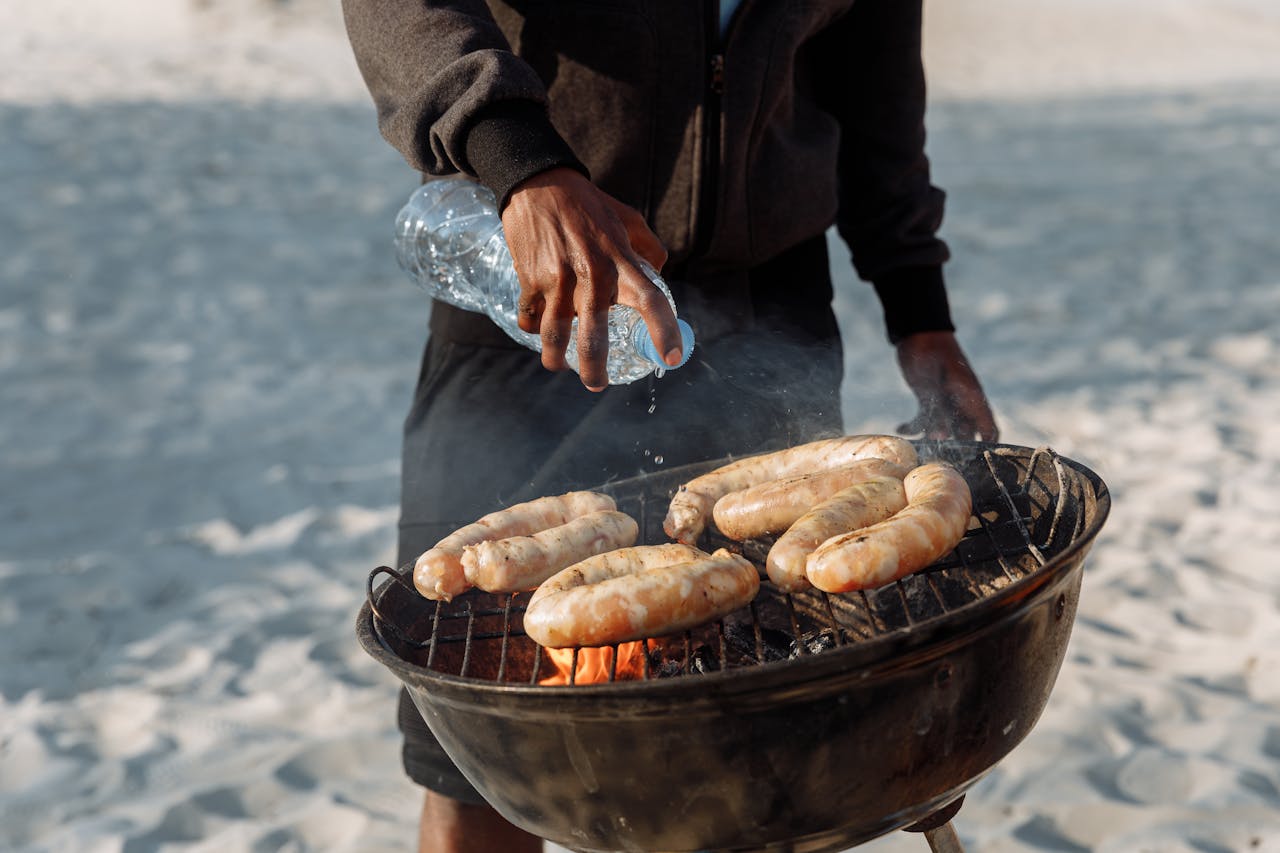
Braaiing is more than just cooking food over fire; it is a cultural ritual, especially in South Africa where outdoor cooking is part of everyday life and social gatherings. Choosing the right wood can completely transform the flavour, aroma, and overall experience of your fire-cooked meals. Many people underestimate how much difference the fuel makes, yet it is often the defining factor between an average meal and an unforgettable one. Understanding how to match wood types with different meats is essential for anyone who wants consistent, high-quality results when cooking outdoors with traditional fire methods, especially when sourcing braai wood Cape Town suppliers offer for local conditions.
There is a growing interest in more intentional fire cooking, where heat control and smoke profile are treated as seriously as seasoning. The type of wood you use influences not only taste but also burn temperature, smoke density, and cooking duration. Hardwoods, softwoods, and fruitwoods each behave differently, and knowing how they perform can help avoid burnt meat, bitter flavours, or uneven cooking. Small decisions at the start of your fire setup can determine the success of the entire braai.
This guide explores how to choose the best wood for different meats, what to avoid, and how to build a reliable fire setup that enhances flavour rather than compromising it. Whether you are a weekend braai enthusiast or someone who hosts regular gatherings, understanding these principles will improve your cooking consistency and confidence.
Understanding the Role of Wood in Braai Cooking
Wood is not just a heat source; it is an ingredient in itself. As it burns, it releases compounds that interact with the surface of the meat, subtly altering flavour and aroma. Different woods contain different levels of resin, moisture, and density, all of which affect how they burn.
Hardwoods generally produce longer-lasting heat and cleaner smoke, while softer woods tend to burn quickly and can create harsher flavours. Fruitwoods sit somewhere in between, often offering a slightly sweet aroma that complements lighter meats. Temperature stability is just as important as flavour, particularly when cooking thicker cuts that require slow, controlled heat.
A well-prepared fire also reduces flare-ups and uneven cooking. This is especially important when working with fatty meats, where dripping fat can cause sudden bursts of flame. Controlling these variables is what separates casual grilling from skillful braaiing.
Here are some foundational wood characteristics to consider before selecting your fuel:
- Hardwoods burn longer and produce steady heat
- Fruitwoods add mild, slightly sweet smoky notes
- Softwoods burn fast and are generally not recommended for cooking
- Seasoned wood produces cleaner smoke than freshly cut wood
- Dense wood retains heat better for slow cooking
Each of these factors plays a role in shaping the final result on your plate.
Best Woods for Different Types of Meat
Matching wood to meat is where the craft becomes more refined. Not every wood suits every protein, and the wrong pairing can overpower delicate flavours or fail to complement richer cuts.
Beef, for example, can handle stronger, more intense smoke profiles. Woods like oak or certain dense hardwoods work well because they provide a deep, earthy flavour that enhances the natural richness of the meat. Lamb behaves similarly, often benefiting from robust smoke that can stand up to its strong, distinctive taste.
Chicken and pork, however, require more balance. These meats absorb smoke easily, which means overpowering wood can quickly lead to bitter or overly intense flavours. Lighter fruitwoods are often preferred here, as they provide subtle sweetness without overwhelming the meat’s natural profile.
Seafood is even more delicate. It requires very gentle smoke exposure and short cooking times. Over-smoking fish or prawns can easily mask their natural flavour.
It is also worth noting that regional availability influences choices. In South Africa, many people rely on locally sourced hardwoods, and availability often determines what is used most frequently. This is where knowledge of quality sourcing becomes important, especially when selecting braai wood in Cape Town residents typically prefer for consistent burning performance.
When choosing wood for specific meats, consider these general pairings:
Beef and Lamb
- Strong hardwoods for deep smoky flavour
- Longer burn times for slow cooking cuts like brisket or lamb shoulder
- Moderate smoke intensity works best to avoid bitterness
Chicken
- Fruitwoods such as apple or pear for mild sweetness
- Medium heat with controlled smoke exposure
- Avoid overly dense or resin-heavy woods
Pork
- Balanced hardwoods or fruitwood blends
- Slightly sweet smoke enhances ribs and pulled pork
- Works well with both direct and indirect heat methods
Fish and Seafood
- Light fruitwoods used sparingly
- Short cooking over low smoke intensity
- Avoid prolonged exposure to heavy smoke
Understanding these combinations allows for more predictable and enjoyable results every time you light a fire.
Common Mistakes When Choosing Braai Wood
One of the most common mistakes is using unseasoned or green wood. This type of wood contains high moisture levels, which leads to excessive smoke, uneven heat, and a reduced cooking temperature. It can also produce an unpleasant, sometimes sour flavour that lingers in the meat.
Another frequent issue is mixing incompatible wood types without understanding their burn rates. When fast-burning wood is combined with dense hardwood, the fire becomes unpredictable. This makes temperature control difficult, especially for beginners.
Over-smoking food is another problem. Many assume that more smoke equals better flavour, but this is not the case. Too much smoke can overpower the natural taste of the meat and leave a bitter aftertaste. Controlled smoke exposure is always preferable.
Finally, many people underestimate storage conditions. Wood stored in damp environments absorbs moisture, which directly affects performance. Dry, ventilated storage is essential for maintaining consistent burn quality.
How to Build a Reliable Braai Fire Step by Step
A well-constructed fire is the foundation of successful braaiing. It is not simply about lighting wood; it is about building structure, managing airflow, and controlling heat distribution.
Follow these steps to create a stable and efficient fire setup:
- Start by selecting dry, seasoned wood and ensure all pieces are similar in size for even burning
- Arrange smaller pieces at the base to help ignition and allow airflow
- Gradually build layers using larger wood pieces to create sustained heat
- Light the fire and allow it to establish strong embers before cooking begins
- Spread the coals evenly for consistent cooking zones
- Adjust positioning of meat based on heat intensity rather than flame presence
- Maintain airflow by avoiding overcrowding of wood during burning
These steps help ensure that your fire reaches an optimal cooking stage before food is placed on the grid. Patience at this stage pays off significantly later.
Fire management is often overlooked, yet it is one of the most critical skills in outdoor cooking. A stable coal bed is far more valuable than active flames, especially when cooking thicker cuts that require steady heat rather than direct fire exposure.
Enhancing Flavour Through Intentional Wood Selection
Beyond basic pairings, experienced braai enthusiasts often experiment with blending different wood types to achieve unique flavour profiles. This can add depth and complexity to meats without overpowering them. However, balance is key. Too many variations can make results inconsistent.
Understanding burn rates, moisture content, and smoke intensity allows for more creative control. For example, combining a mild fruitwood with a slightly stronger hardwood can produce a layered smoke profile that enhances both sweetness and depth.
At the same time, consistency should not be sacrificed for experimentation. Reliable results come from understanding your wood source and how it behaves under different conditions. This is why many people prefer trusted local suppliers and familiar wood types that perform predictably across different seasons and weather conditions.
Good braaiing is both technical and intuitive. It requires observation, patience, and a willingness to adjust based on conditions rather than rigid rules. Over time, experience becomes the most important tool in refining your approach.
A well-managed fire, the right wood selection, and attention to detail can transform simple ingredients into something memorable. With practice, the process becomes second nature, and each braai becomes an opportunity to refine skill and flavour understanding.