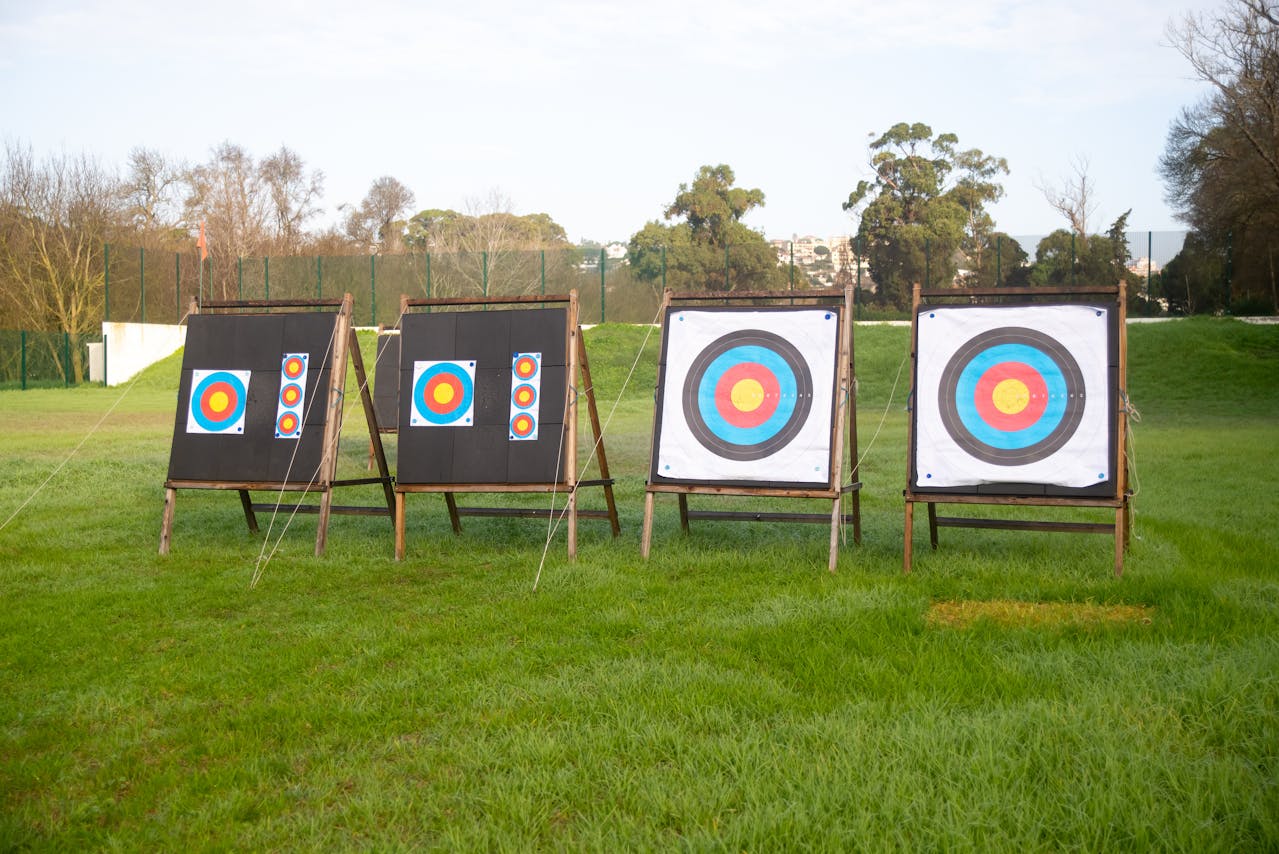
Common Mistakes New Target Shooters Make
New participants in shooting sports often underestimate how much discipline, technique, and safety awareness are required before they can achieve consistent results. One of the most common entry points into recreational precision sports is the world of slingshot shooting, where beginners quickly discover that success depends far more on control and practice than raw enthusiasm. When people first get involved with a target shooting slingshot, they frequently assume accuracy comes quickly, only to realize that small mistakes can significantly affect performance.
Early frustrations are normal, especially when expectations are shaped by online videos or casual demonstrations. What is less obvious at the beginning is how many foundational habits influence safety and precision at the same time. Grip tension, stance stability, and even environmental awareness all play a role in shaping outcomes. Without proper guidance, new shooters tend to repeat avoidable errors that slow their progress and increase risk.
This article examines the most common mistakes beginners make and explains how to correct them through structured, practical habits. It also highlights safety principles and technique adjustments that help build long-term consistency and responsible practice habits.
Ignoring Fundamental Safety Practices
One of the earliest and most serious mistakes beginners make is overlooking basic safety discipline. Many assume that because the equipment is small or simple, it carries minimal risk. In reality, even low-powered projectile tools require strict attention to direction control, backstop awareness, and safe handling routines.
A frequent issue is the tendency to practice in unsuitable environments. Open spaces without proper background checks or controlled zones increase the likelihood of accidents. Beginners may also fail to check for bystanders or reflective surfaces that can redirect projectiles unexpectedly.
Another overlooked factor is hand positioning during loading and release. Small errors in alignment can cause slippage or misfires, especially when tension bands are uneven or worn. Developing a consistent safety routine from the start reduces long-term risk and builds better habits that carry over into more advanced practice.
Poor Stance and Grip Control
Body positioning plays a far larger role in accuracy than most beginners expect. A stable stance creates the foundation for repeatable motion, while inconsistent posture leads to unpredictable results. New shooters often stand too rigidly or too loosely, both of which negatively affect balance.
Grip pressure is another overlooked variable. Holding the frame too tightly introduces unnecessary muscle tension, which can cause shaking during aim and release. On the other hand, an overly relaxed grip can reduce control and lead to inconsistent shot direction. The goal is a balanced, steady hold that allows fine motor control without strain.
Breathing patterns also influence performance. Many beginners hold their breath unintentionally during aiming, which can introduce slight body movement at the moment of release. Learning to maintain a calm, controlled breathing rhythm improves stability and shot consistency over time.
Misunderstanding Ammunition and Distance Variables
Another common challenge involves not fully understanding how projectile weight, band strength, and distance interact. Beginners often assume that all ammunition behaves the same, but small differences in size or mass can significantly change trajectory and impact point.
In the context of a target shooting slingshot, distance management becomes especially important. Shooting at varying ranges without adjusting aim or power leads to inconsistent results and confusion about accuracy. New shooters may also fail to account for wind conditions or elevation changes, both of which affect projectile flight.
Choosing the wrong type of ammunition for the intended practice session can further complicate learning. Heavier projectiles may improve stability at longer distances, while lighter ones can be more suitable for short-range control drills. Understanding these differences is essential for building predictable performance patterns.
Structured Learning Without Progression Planning
Many beginners attempt to advance too quickly without mastering foundational skills. This often results in frustration and inconsistent performance. A structured approach to progression is essential for long-term improvement and safe practice development.
A helpful training path can be broken down into clear stages:
- Begin with stationary close-range targets to build basic control and release consistency
- Focus on stance alignment and repeatable grip positioning before increasing distance
- Gradually introduce variation in target size while maintaining the same range
- Only then begin extending distance in small increments while monitoring accuracy changes
- Incorporate controlled environmental factors such as mild wind or uneven terrain once stable consistency is achieved
Following a step-by-step approach helps eliminate unnecessary variables early on, allowing beginners to focus on mastering one skill at a time instead of attempting everything simultaneously.
Overestimating Early Accuracy and Skill Development
A major psychological mistake among new shooters is expecting rapid improvement. Early attempts often produce inconsistent results, which can lead to discouragement or rushed practice habits. Skill development in precision-based activities is gradual and requires repetition over time.
It is also common for beginners to misinterpret occasional successful shots as proof of readiness to progress. In reality, consistency matters more than isolated accuracy. Without repeatable technique, performance tends to fluctuate significantly under slightly different conditions.
Another issue is comparing progress with experienced shooters. This often creates unrealistic expectations and leads to frustration. Instead, focusing on personal consistency over time provides a more reliable measure of improvement and helps maintain motivation.
Building Safe and Consistent Practice Habits
Establishing strong habits early is one of the most effective ways to improve both safety and performance. Beginners who prioritize structure tend to progress faster and with fewer setbacks. When practicing with a target shooting slingshot, consistency in setup and routine is just as important as aiming ability.
Key habits that support long-term improvement include maintaining a dedicated practice area, inspecting equipment before each session, and keeping a consistent shooting sequence. Environmental awareness should also remain a constant priority, even during repetitive drills.
Essential habits to reinforce include:
- Always confirming a clear and safe backdrop before shooting
- Inspecting bands and frames for wear or damage before use
- Maintaining a consistent stance and grip for every shot
- Practicing in short, focused sessions rather than long, unfocused ones
- Avoiding distractions that break concentration during aiming and release
Developing these habits early reduces the likelihood of unsafe behavior and helps build a stable foundation for skill progression. Over time, these practices become automatic, allowing shooters to focus more on refinement and less on correction.
Consistency, patience, and attention to detail ultimately define success in precision shooting sports. By recognizing and correcting these common beginner mistakes early, new shooters can build safer routines and achieve more reliable performance as their skills develop.