DIY vs Professional Leak Detection: When to Call an Expert
Water leaks in a home or commercial property can escalate quickly from a minor inconvenience into serious structural damage, mould growth, and costly repairs. In many cases, early signs are subtle, which leads property owners to attempt their own troubleshooting before seeking help. While this approach can sometimes identify obvious issues, it is not always enough to detect hidden plumbing problems.
Understanding when to attempt a do-it-yourself approach and when to bring in a specialist is essential for protecting both your property and your budget. This is especially true in regions where plumbing systems are under pressure from aging infrastructure or environmental factors.
In places where water damage risks are high, such as urban residential zones, services like leak detection Durban are often relied upon to identify concealed leaks before they become severe. Knowing the difference between manageable DIY checks and professional intervention can save significant time and money.
Small signs should never be ignored. Even a slight damp patch can indicate a much larger underlying issue.
Understanding DIY Leak Detection Methods
Many homeowners prefer to start with basic inspection techniques before calling in experts. This can be practical in certain situations, especially where the issue is visible or surface-level.
Common DIY methods include simple observation and monitoring of water usage patterns. If your water bill suddenly increases without explanation, it may indicate a hidden leak. Another method involves turning off all water sources and checking whether the water meter continues to move.
Here is a simple numbered list of common DIY leak detection steps:
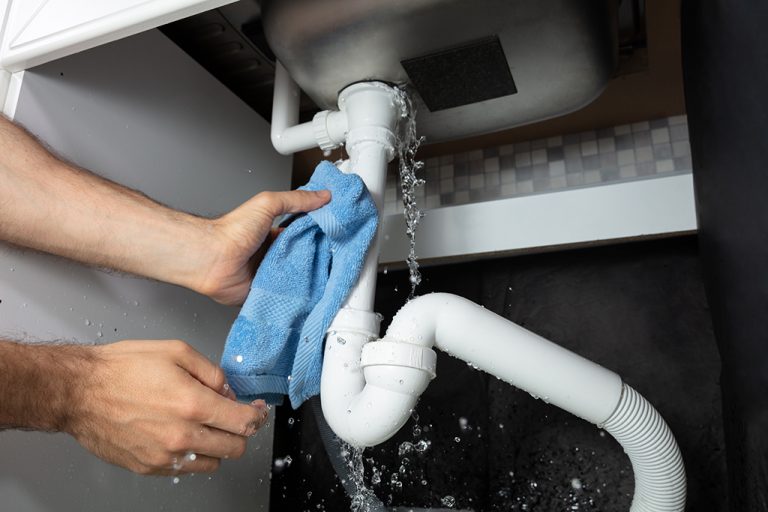
- Check visible pipes under sinks, basins, and appliances for moisture or dripping water
- Inspect ceilings and walls for discoloration or bubbling paint
- Monitor your water meter before and after a period of no water usage
- Listen for running water sounds when all taps are closed
- Examine outdoor areas for unusually wet soil or pooling water
These steps are accessible to most property owners and can help confirm whether a leak might be present. However, they are limited in scope. Not all plumbing systems are easily accessible, especially in modern buildings where pipes are concealed behind walls or beneath floors.
A quick inspection may reveal surface clues, but deeper issues often remain hidden.
Risks and Limitations of DIY Approaches
While DIY methods can be helpful for initial detection, they come with significant limitations. One of the biggest risks is misdiagnosis. A visible stain on a wall, for example, might not be caused by a plumbing leak at all, but rather condensation or roof seepage.
Another challenge is accessibility. Many leaks occur in underground pipes or within structural cavities that cannot be reached without specialised equipment. Attempting to investigate these areas without the right tools can lead to unnecessary damage.
At this stage, many homeowners start considering professional help. In fact, delayed action often increases repair costs significantly.
This is where leak detection in Durban services become particularly valuable, as trained technicians use non-invasive technology such as acoustic sensors, thermal imaging, and pressure testing to identify leaks accurately without breaking through walls unnecessarily.
There is also the issue of time. DIY investigation can become a prolonged process of trial and error. Meanwhile, water damage may continue to spread silently.
It is worth noting that plumbing systems are more complex than they appear. A single symptom, like low water pressure, could have multiple causes. Without technical expertise, identifying the root issue becomes guesswork rather than diagnosis.
When Professional Leak Detection Is the Safer Option
Professional intervention becomes necessary when signs persist despite basic troubleshooting or when the source of the problem is not visible. Experts are trained to locate leaks quickly and precisely, reducing the need for invasive inspection methods.
Advanced diagnostic tools allow specialists to detect issues behind concrete, under floors, or within underground pipe systems. This level of accuracy is difficult to achieve through manual inspection alone.
The decision to call in professionals is often driven by urgency. Water damage spreads quickly, and what starts as a minor leak can escalate into structural weakening or electrical hazards.
In situations involving hidden plumbing faults, leak detection in Durban specialists provide a structured and reliable approach that prioritises both accuracy and property preservation. Their methods reduce guesswork and focus on targeted solutions.
There is also a safety consideration. Attempting to break into walls or flooring without proper knowledge can lead to injury or additional damage to the property’s infrastructure.
Professional services also offer detailed reporting, which can be useful for insurance claims or long-term property maintenance planning. This documentation helps establish the cause and extent of the issue clearly.
A key advantage is speed. What might take a homeowner days or weeks to investigate can often be diagnosed in a matter of hours by an experienced technician.
Cost Considerations and Long-Term Value
Many property owners hesitate to call professionals due to perceived costs. However, this perspective often changes when the long-term impact of undetected leaks is considered.
Water damage repair can be significantly more expensive than early detection. Structural repairs, mould remediation, and replacement of damaged fixtures quickly add up.
There is also the issue of water wastage. Even a small continuous leak can result in substantial increases in monthly utility bills over time. Addressing the issue early is financially sensible.
Professional services may seem like an upfront expense, but they often prevent larger repair costs later. In many cases, early detection pays for itself.
Preventative maintenance should also be considered as part of overall property management rather than a reactive expense.
Preventing Future Leaks in Your Home
Once a leak has been detected and repaired, the next priority is prevention. Plumbing systems naturally degrade over time, so ongoing maintenance is essential.
Homeowners can reduce risk by incorporating regular checks into their routine. Small preventive actions can make a meaningful difference.
- Inspect exposed pipes periodically for corrosion or wear
- Ensure water pressure remains within safe operating levels
- Schedule routine plumbing inspections for older properties
- Avoid chemical drain cleaners that can damage pipes over time
- Address minor plumbing issues immediately before they escalate
These practices help extend the lifespan of plumbing systems and reduce the likelihood of unexpected failures.
Consistency matters more than complexity. Even simple habits, when done regularly, can prevent major issues.
It is also helpful to stay aware of seasonal changes, as temperature fluctuations and soil movement can affect underground piping systems.
Ultimately, the difference between DIY efforts and professional intervention lies in accuracy, tools, and experience. While basic checks are useful, they are not a substitute for expert diagnosis when the problem is hidden or persistent.
Knowing when to escalate the issue is the key to protecting both your property and your long-term maintenance budget.